Hardware
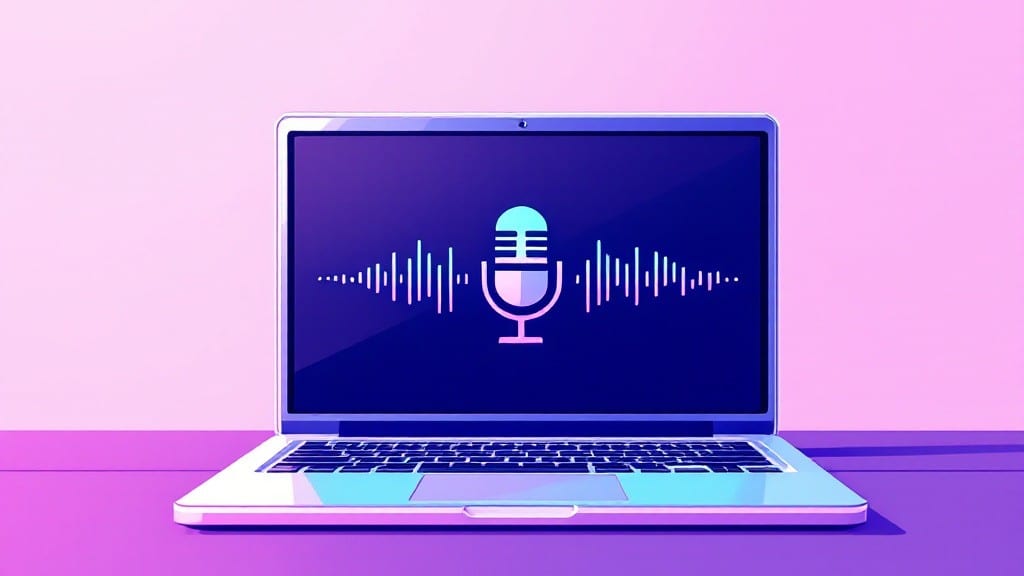
Voice-activated computers for disabled users redefine how technology meets independence, turning screens into tools that respond to speech instead of clicks.
For millions with mobility impairments, these systems aren’t just helpful—they’re lifelines. Imagine typing an email, navigating the web, or even controlling smart home devices without lifting a finger. Yet choosing the right setup can feel overwhelming when accuracy, compatibility, and accessibility standards vary so widely.
At their core, these computers combine advanced speech recognition with assistive tech like screen readers and eye-tracking software. They’re designed to comply with WCAG and ADA guidelines, ensuring seamless integration for users with motor or visual disabilities.
Whether you’re a writer, student, or professional, the right voice setup can unlock productivity in ways traditional input methods simply can’t.
Below, I’ll break down the top features to look for, compare the best software and hardware options, and share expert tips for building a fully accessible workstation tailored to your needs.
Top voice-activated computer features for severe mobility disabilities
Voice-activated computers redefine accessibility by eliminating the need for physical input devices. For users with severe mobility disabilities, these systems enable hands-free navigation, custom command execution, and real-time interaction through advanced speech recognition and adaptive hardware.
The right combination of software tools and specialized peripherals can transform a standard PC into a fully accessible workstation tailored to individual needs.
Modern solutions integrate seamlessly with operating systems like Windows and macOS, while third-party applications like Dragon NaturallySpeaking offer industry-leading accuracy. Hardware like eye-tracking devices and switch interfaces further expand capabilities, allowing users to control their computers without relying on traditional input methods.
The key is selecting features that align with specific disabilities—whether it's limited hand mobility, non-verbal communication challenges, or visual impairments.
Below is a breakdown of the most essential voice-activated features that empower users with severe mobility disabilities, along with their real-world applications and compatibility considerations. These tools go beyond basic voice commands to include context-aware assistance, adaptive learning, and multi-modal input for maximum flexibility.
| Feature | Description | Compatibility | Key Use Cases |
|---|---|---|---|
| Eye-Tracking Integration | Uses gaze control to select items on screen via specialized cameras. | Windows (Tobii), macOS (third-party), Linux (limited) | Non-verbal communication, hands-free browsing |
| Switch Control Compatibility | Allows single-switch or dual-switch input for basic computer control. | Windows (Switch Control), macOS (limited), Linux (third-party) | Users with minimal motor control, adaptive gaming |
| Customizable Voice Commands | Programmable commands for apps, system functions, and macros. | Dragon NaturallySpeaking, Windows Speech Recognition, macOS Shortcuts | Productivity tasks, creative work, automation |
| Real-Time Captioning | Live speech-to-text for non-verbal users or hearing impairments. | Windows (Live Captions), macOS (VoiceOver), Android/iOS (third-party) | Communication, video calls, accessibility in public |
| Adaptive Learning Algorithms | Improves voice recognition accuracy over time by learning user speech patterns. | Dragon NaturallySpeaking, Nuance, Windows Speech Recognition | Users with speech impediments, accented speech |
Eye-tracking integration stands out as a game-changer for users who cannot rely on voice commands alone. Systems like Tobii Eye Tracker for Windows work with gaze selection to navigate menus, type, and even control games. This feature is particularly valuable for individuals with limited head movement or non-verbal communication needs, as it bridges the gap between intent and digital interaction. Pairing eye-tracking with voice commands creates a multi-modal input system that adapts to varying levels of mobility.
For users who rely on switch devices, Windows Switch Control offers a robust solution that transforms simple button presses into full computer control. This feature supports single-switch scanning (for users with minimal mobility) or dual-switch scanning (for those with slightly better control).
The setup requires minimal hardware—a USB switch interface and compatible software—and can be customized to control specific applications, system functions, or even home automation through plugins like Elan or Grid 3.
Customizable voice commands take accessibility to the next level by allowing users to create personalized macros for repetitive tasks. Tools like Dragon NaturallySpeaking enable commands like "Open Chrome and search for accessibility tools" or "Send email to my team with today's report." This level of automation isn’t just convenient—it’s life-changing for users who spend hours on administrative or creative work. Even Windows Speech Recognition (free with Windows 10/11) supports basic commands, though third-party solutions offer far greater flexibility.
Real-time captioning is another critical feature, especially for non-verbal users or those with hearing impairments. Windows Live Captions (built into modern versions) displays live subtitles for any audio, including voice commands, videos, or calls. On macOS, VoiceOver integrates with Live Listen for real-time transcription during conversations. These tools ensure that communication barriers are minimized, whether in professional settings, education, or social interactions. Third-party apps like Otter.ai or Ava further enhance this capability with editable transcripts and collaboration features.
Finally, adaptive learning algorithms ensure that voice recognition improves over time, adapting to speech patterns, accent variations, or temporary vocal changes. Dragon NaturallySpeaking, for example, uses machine learning to refine accuracy, reducing errors for users with speech impediments or progressive conditions.
This feature is particularly important for long-term users who rely on their computers for daily communication, work, or personal organization. Pairing adaptive software with high-quality microphones (like Shure MV7 or Blue Yeti) further enhances performance in noisy environments.
When selecting voice-activated features, consider WCAG 2.1 and ADA compliance to ensure full accessibility. Organizations like AbilityNet and the W3C provide guidelines for screen reader compatibility, keyboard alternatives, and cognitive accessibility.
For example, Windows High Contrast Mode or macOS VoiceOver gestures can complement voice commands for users with visual or motor impairments. Always test features with **real
Best operating systems for voice-controlled accessibility in 2024
Choosing the right operating system for voice-controlled accessibility depends on your specific needs. Windows, macOS, and Linux each offer unique tools tailored to different disabilities. For example, Windows Speech Recognition excels with motor impairments, while macOS VoiceOver provides advanced screen-reading for visual disabilities.
Linux alternatives like Dragon NaturallySpeaking and Orca cater to users needing customizable command sets and open-source flexibility.
Your choice should align with whether you prioritize built-in accessibility features, third-party software compatibility, or open-source customization. Windows dominates in enterprise environments, macOS leads in creative workflows, and Linux offers unmatched adaptability for niche needs.
Let’s break down the strengths and trade-offs to help you decide which platform best fits your accessibility requirements.
Windows Speech Recognition
macOS VoiceOver
Linux (Orca/Dragon)
If you rely on voice commands for daily tasks, Windows Speech Recognition is the most robust built-in solution, especially when paired with Dragon NaturallySpeaking for advanced control. For users with visual impairments, macOS VoiceOver remains unmatched, though it requires additional tools like Voice Control for hands-free navigation.
Linux, while powerful, demands more technical expertise but offers unparalleled customization for niche accessibility needs.
Consider your workflow: Office workers may prefer Windows for its Microsoft integration, while creatives might lean toward macOS for its VoiceOver and Siri synergy. Linux users often prioritize open-source tools like Orca or Dragon NaturallySpeaking for full control over their environment.
Always test the OS with your specific assistive hardware (e.g., eye-tracking devices, switches) before committing.
For severe motor disabilities, Windows and Linux offer better switch control compatibility, while macOS excels in visual accessibility. If you’re unsure, start with a free trial of Dragon NaturallySpeaking—it works across all three OSes and provides a clear benchmark for your needs.
The right choice depends on balancing built-in features, third-party tools, and your comfort level with the platform.
Remember, accessibility isn’t one-size-fits-all. Combine your OS with external hardware like high-quality microphones (e.g., Blue Yeti) or ergonomic headsets to enhance voice recognition accuracy. Explore WCAG and ADA guidelines to ensure your setup meets legal and functional standards for accessibility.