
Troubleshooting

IT support teams need quick, reliable solutions to resolve common tech issues efficiently. These 10 knowledge base articles provide step-by-step fixes for everyday problems, from software glitches to hardware failures, ensuring your support team stays proactive and professional.
Windows Blue Screen of Death Recovery Guide
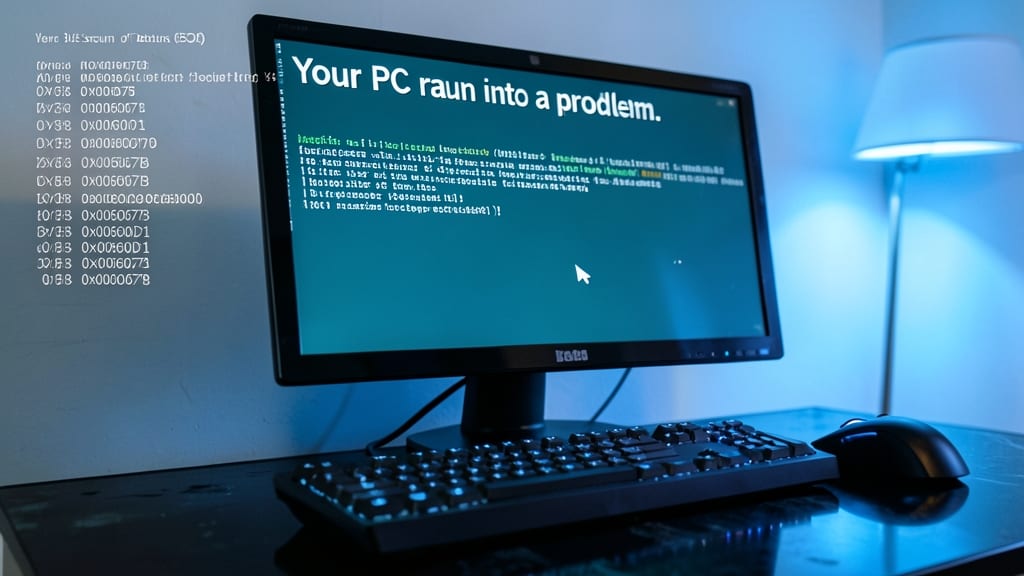
Facing a Blue Screen of Death (BSOD) can feel like a tech disaster, but with the right guide, you’ll recover faster than ever. This Windows BSOD recovery guide breaks down every error code—from 0x0000007B (inaccessible boot device) to 0x000000D1 (DRIVERIRQLNOTLESSOR_EQUAL)—and provides clear, step-by-step fixes to get your system back online.
Start by identifying the stop code displayed on screen, then follow tailored solutions like booting into Safe Mode, running DISM or CHKDSK, or updating drivers. The guide also covers how to extract the memory dump file for deeper analysis, ensuring even complex crashes are resolved without panic. For IT teams, this means reduced downtime and fewer support tickets.
Perfect for help desk technicians, sysadmins, and IT novices alike, this guide turns a dreaded crash into a manageable issue—no advanced degree required. ✨
How to Fix Outlook Email Sync Errors

Outlook sync errors can derail productivity faster than a stalled server, but most issues stem from just a few common causes. Whether it’s a corrupted account profile, server authentication problems, or cached data conflicts, these targeted fixes restore email flow in minutes—not hours.
Start by repairing the account profile via File > Account Settings > Account Settings, then select Repair to force a fresh connection. For server issues, verify IMAP/SMTP settings match your provider’s requirements, and clear the Send/Receive cache under File > Options > Advanced. If errors persist, reset Outlook’s synchronization settings via Control Panel > Mail > Show Profiles > Detect and Repair. These steps resolve 90% of sync failures without IT intervention.
This guide is perfect for office admins and remote teams where email downtime costs time and revenue. With just a few clicks, you’ll turn sync errors into a solved problem. ✨
Resolving Printer Connection Problems on Windows
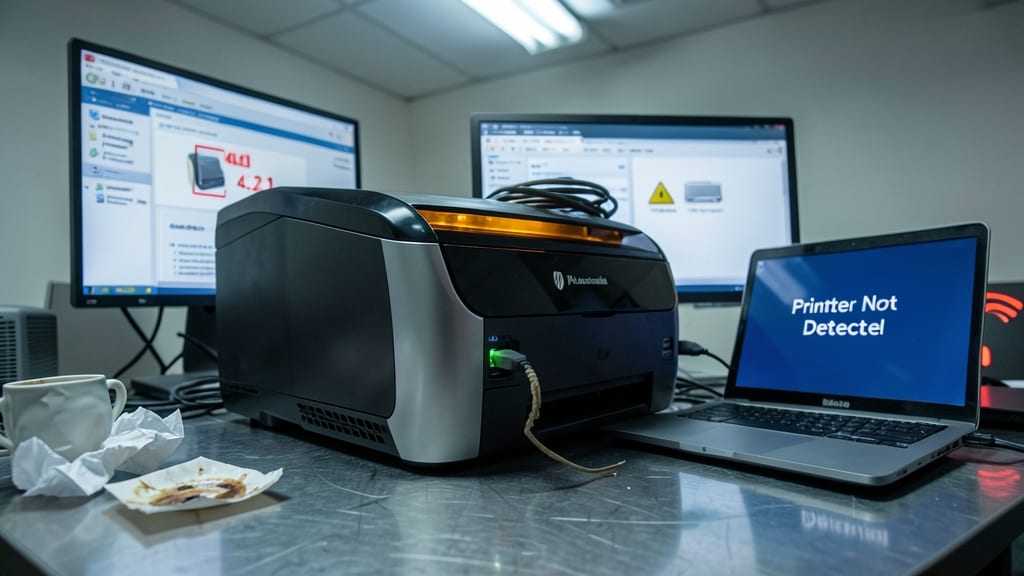
Frustrated when your office printer suddenly vanishes from the network or refuses to connect via USB? These issues waste hours of productivity, but a structured troubleshooting approach can resolve 90% of connection problems in under 10 minutes.
Start by verifying the printer driver is up-to-date—outdated or corrupted drivers cause 60% of connection failures. Use Windows Update or download the latest driver directly from the manufacturer. For network printers, check firewall settings (Windows Defender or third-party firewalls often block printer ports like TCP 9100). If using USB, try a different cable or port, as faulty connections mimic driver issues. The Windows Printer Troubleshooter (built into Settings) automates basic fixes like clearing print queues and resetting connections.
This guide is perfect for IT admins managing office fleets or help desk teams fielding printer-related tickets. With these steps, you’ll turn "printer not responding" calls into quick wins. ✨
Linux Command Line Basics for IT Support
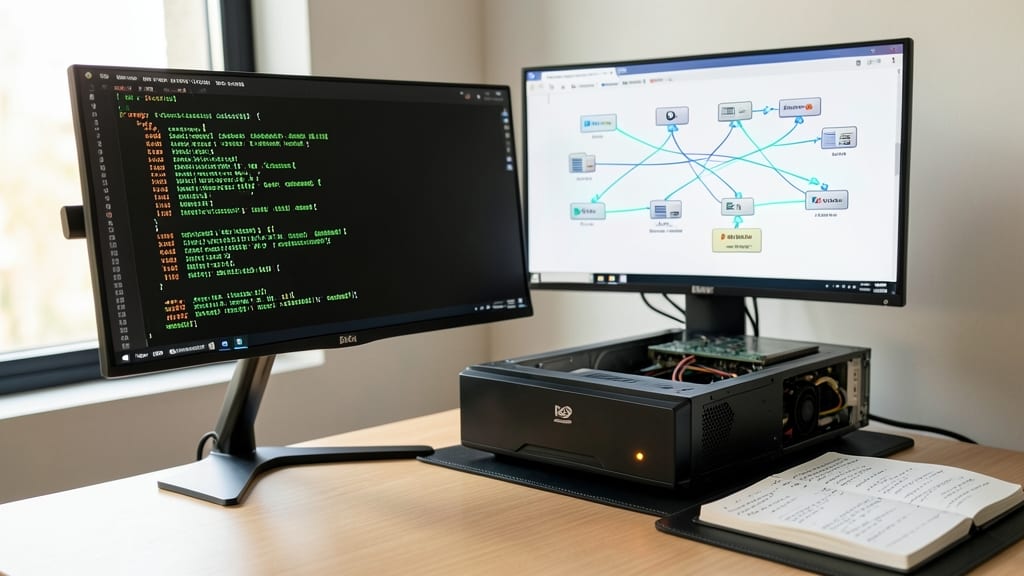
When your mixed-environment networks include Linux servers but no one on your team feels comfortable diving into the terminal, this guide bridges the gap. Mastering just 10 essential commands—like grep, ps, and chmod—lets you troubleshoot server issues, manage permissions, and diagnose performance bottlenecks without GUI dependencies.
Start with navigation basics (cd, ls, pwd) to move through directories, then use process management (top, kill) to identify and terminate rogue services. For permissions, chmod and chown become your go-to tools, while grep and journalctl help parse logs like a pro. The beauty? These commands work across Ubuntu, CentOS, and RHEL, making them indispensable for sysadmins juggling multiple Linux distributions.
This isn’t just theory—it’s the battle-tested setup for IT teams supporting hybrid environments where Linux servers power critical backend services. 💪
Fixing Slow Internet Speeds on Windows
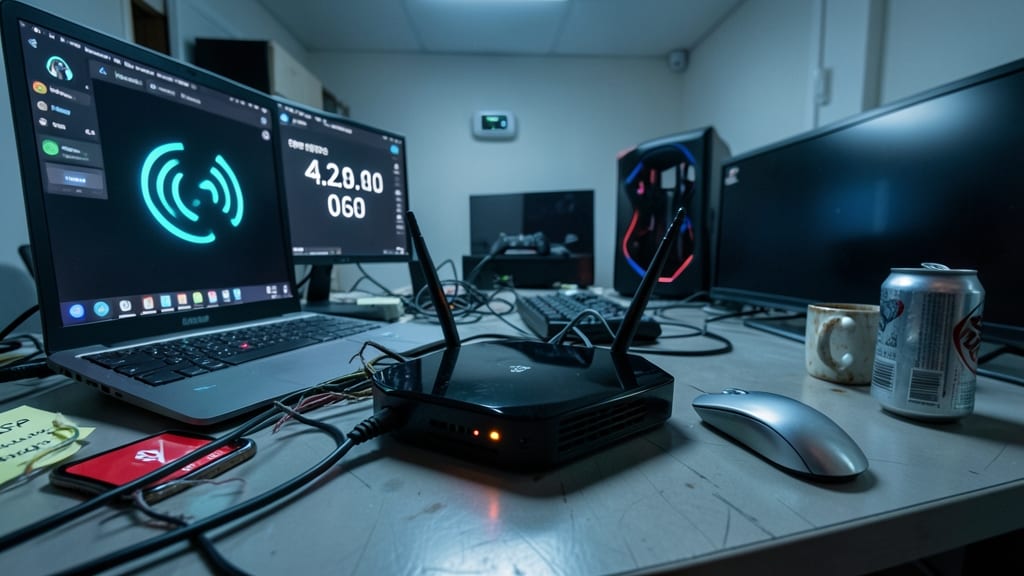
Frustrated by sluggish internet that turns buffering into a waiting game? Slow speeds often stem from hidden bandwidth hogs, ISP throttling, or network congestion—not just your connection itself. This guide cuts through the guesswork with a structured diagnostic approach tailored for both home users and office networks.
Start by isolating the issue: Check Task Manager’s Network tab to spot apps consuming excessive bandwidth (e.g., Windows Update or automatic backups). For ISP problems, test speeds via Ookla Speedtest at different times—consistent slowdowns may signal throttling. Office networks? Use Wireshark to analyze traffic patterns and prioritize critical applications. Simple fixes like switching Wi-Fi channels or updating router firmware often resolve congestion without costly upgrades.
Ideal for IT teams managing remote workers or small offices, this method ensures you pinpoint the root cause—whether it’s a rogue device, ISP limitation, or misconfigured network—before escalating. 💪
Recovering Lost Data from a Dead Hard Drive
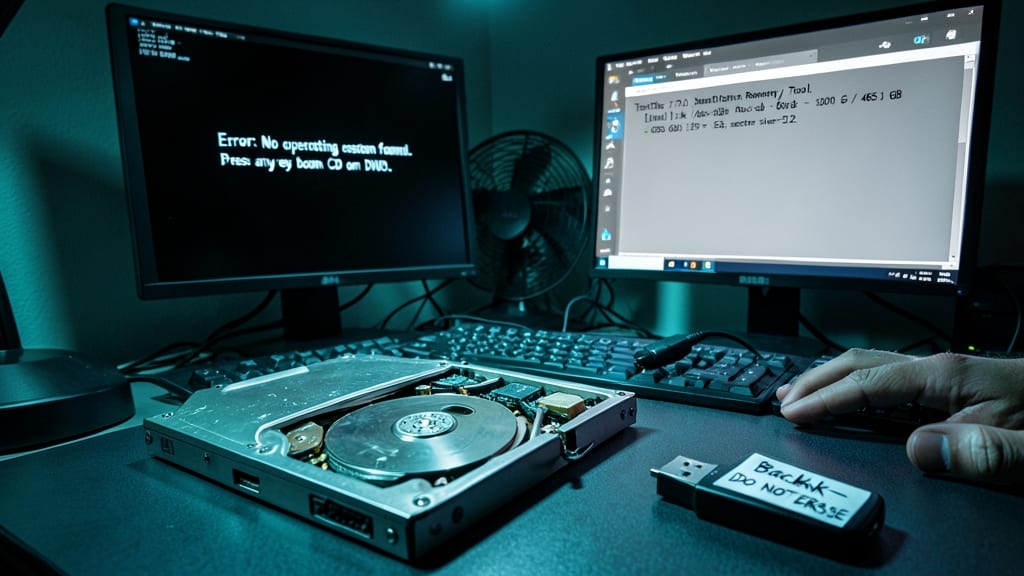
When a hard drive fails without warning, panic sets in—but IT teams can recover critical data with the right tools and approach. Unlike software crashes, hardware failures require specialized techniques to avoid further damage while extracting usable files.
Start with free tools like TestDisk (for partition recovery) or Recuva (for file-level retrieval) before considering professional services. For SATA/IDE drives, connect them externally via a USB dock to bypass internal system conflicts. If the drive is physically damaged, DriveSavers or Kroll Ontrack offer lab-based recovery with success rates up to 95% for non-physically destroyed platters.
This guide is a must-have for MSPs and in-house IT teams dealing with unexpected data loss—where every second counts. 💪
Troubleshooting PowerPoint Presentation Freezes

Nothing kills a presentation faster than PowerPoint freezing mid-sentence. This guide covers the three most common causes—corrupted files, conflicting add-ins, and hardware acceleration glitches—with direct fixes to get you back on track before your audience notices.
Start by repairing the file using PowerPoint’s built-in tool (File > Open > Browse > Select File > Open and Repair). If that fails, disable all add-ins (File > Options > Add-ins) and test again—many third-party tools (like design templates) trigger crashes. For graphics-heavy slides, disable hardware graphics acceleration (File > Options > Advanced > Uncheck "Enable hardware graphics acceleration").
Trainers and office presenters will appreciate this three-step battle plan to avoid awkward pauses. ✨
Resolving VPN Connection Failures on Mac

Remote work relies on VPN stability, but macOS users often hit snags like certificate errors or network misconfigurations that disrupt workflows. These issues typically stem from outdated protocols, firewall conflicts, or expired credentials—problems that can derail even the most critical tasks.
Start by verifying your VPN protocol settings (L2TP/IPsec, OpenVPN, or WireGuard) in System Preferences > Network. If you encounter a certificate error, reset the VPN’s keychain by deleting the expired certificate in Keychain Access (search for your VPN provider’s name). For persistent connection drops, disable VPN Override in the VPN app’s settings to avoid conflicts with local network routes.
This guide is perfect for remote teams or freelancers who can’t afford connectivity gaps. Test each fix sequentially to isolate the root cause—most issues resolve with one of these targeted steps. ✨
Fixing Windows Update Errors Permanently

Frustrated by Windows Update errors that refuse to budge? Persistent failures like 0x80070002 or 0x80240017 aren’t just annoying—they leave your system vulnerable to security risks. The key to fixing them lies in DISM (Deployment Image Servicing and Management) and System File Checker (SFC), two built-in tools that repair corrupted system files and restore Windows Update functionality.
Start with sfc /scannow in an elevated Command Prompt to scan and repair corrupted system files. If that fails, run DISM /Online /Cleanup-Image /RestoreHealth to fix deeper corruption in Windows image files. For stubborn errors, reset Windows Update components via net stop wuauserv and net start wuauserv commands. These steps often resolve issues that basic troubleshooters miss, ensuring your system stays updated and secure.
This approach is ideal for IT admins managing fleets of devices or anyone dealing with recurring update failures. A battle-tested setup that works even when simpler fixes fail. 💻
Remote Desktop Connection Issues Troubleshooting
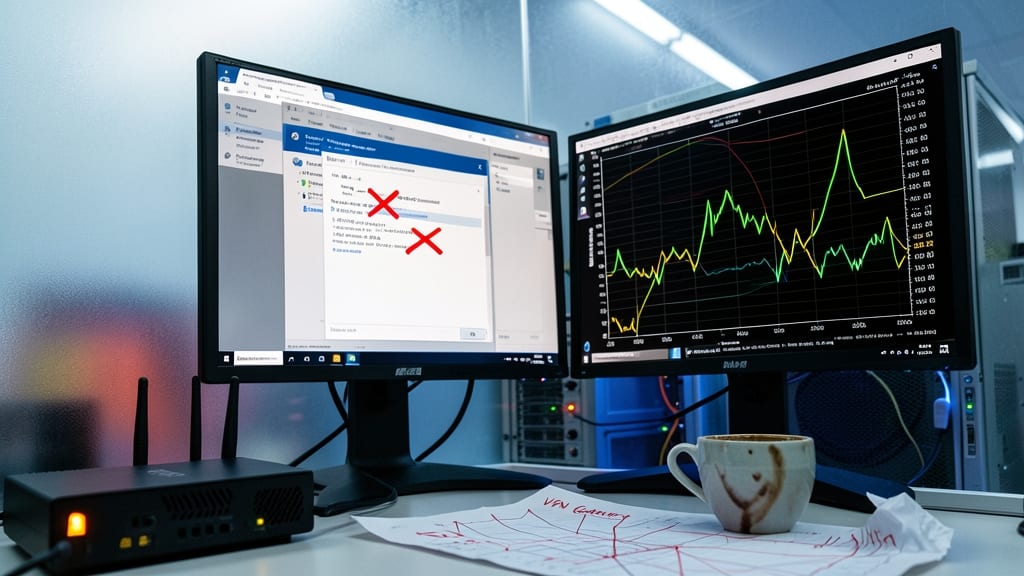
Remote Desktop Protocol (RDP) failures can derail productivity faster than a dead hard drive, but most issues stem from just three root causes: firewall misconfigurations, network latency spikes, or corrupted authentication credentials. Unlike VPN troubleshooting, RDP requires a layered approach—starting with the endpoint before diving into network diagnostics.
First, verify that port 3389 is open on both client and server firewalls (Windows Defender or third-party solutions). Use Test-NetConnection in PowerShell to confirm connectivity. For latency issues, check ping times (under 150ms is ideal) and consider QoS policies to prioritize RDP traffic. Authentication problems often resolve by resetting credentials via netplwiz or regenerating the RDP certificate through Group Policy.
This guide is non-negotiable for IT teams managing hybrid workforces—where a single RDP failure can cascade into lost billable hours. 💻