
Troubleshooting
Your social media posts may seem harmless, but oversharing can expose you to serious risks. From identity theft to workplace discrimination, strangers can weaponize your personal details against you in ways you never imagined. Learn how to protect yourself before it's too late.
Digital Identity Theft Risks
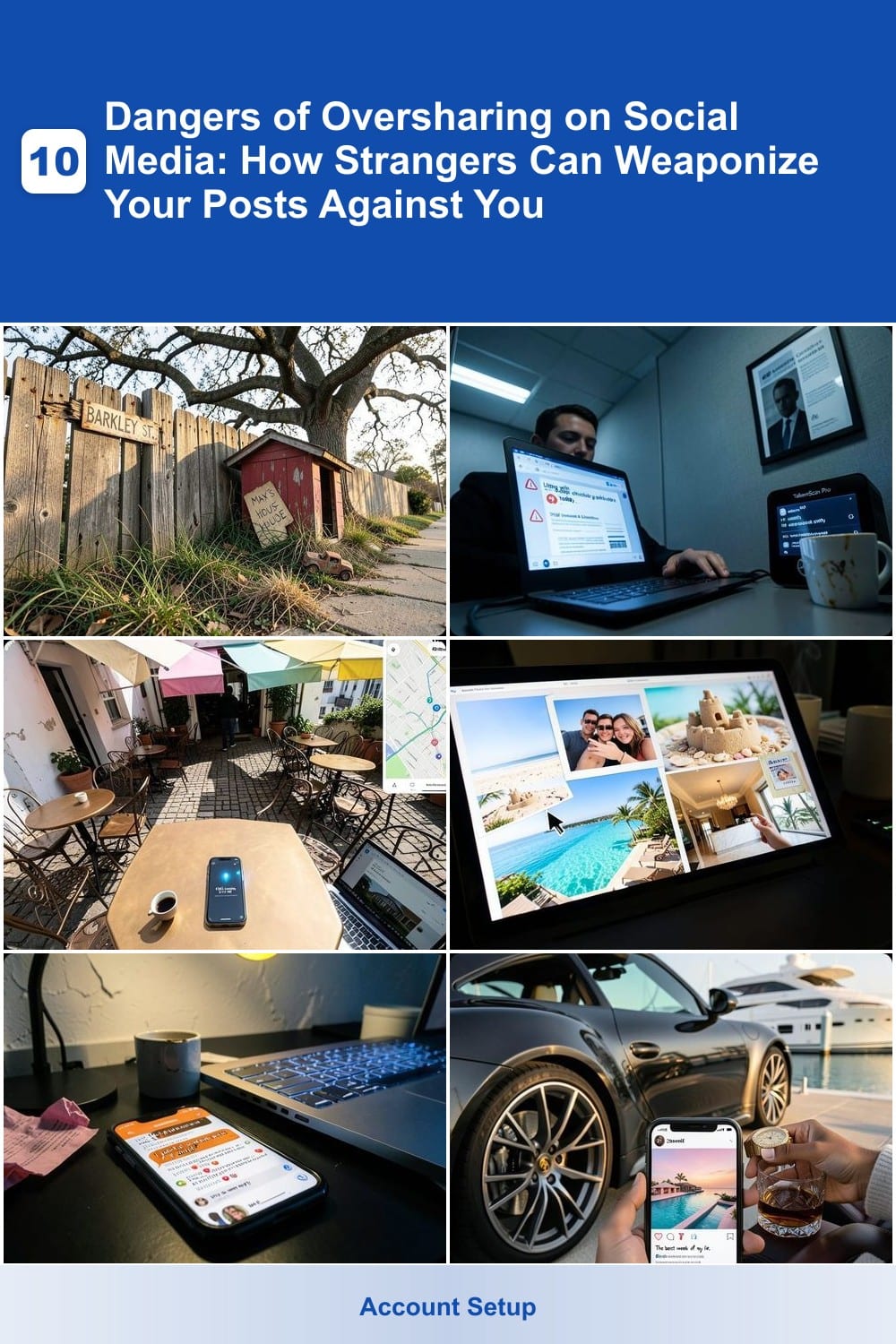
That seemingly harmless post about your childhood pet or your favorite childhood street might seem like a fun throwback—but it’s actually a goldmine for cybercriminals. Birthdates, addresses, and even pet names are the building blocks of synthetic identity fraud, a growing threat where fraudsters create entirely new identities using stolen personal details.
Unlike traditional identity theft, synthetic fraud is harder to detect because the fraudster isn’t impersonating someone who already exists. A single overshared detail—like your birth city or your first pet’s name—can unlock your email, reset passwords, and even open credit lines in your name. The FBI reports a 45% increase in synthetic identity fraud cases over the past five years, proving this isn’t just a hypothetical risk. ⚡
Workplace Discrimination Lawsuits
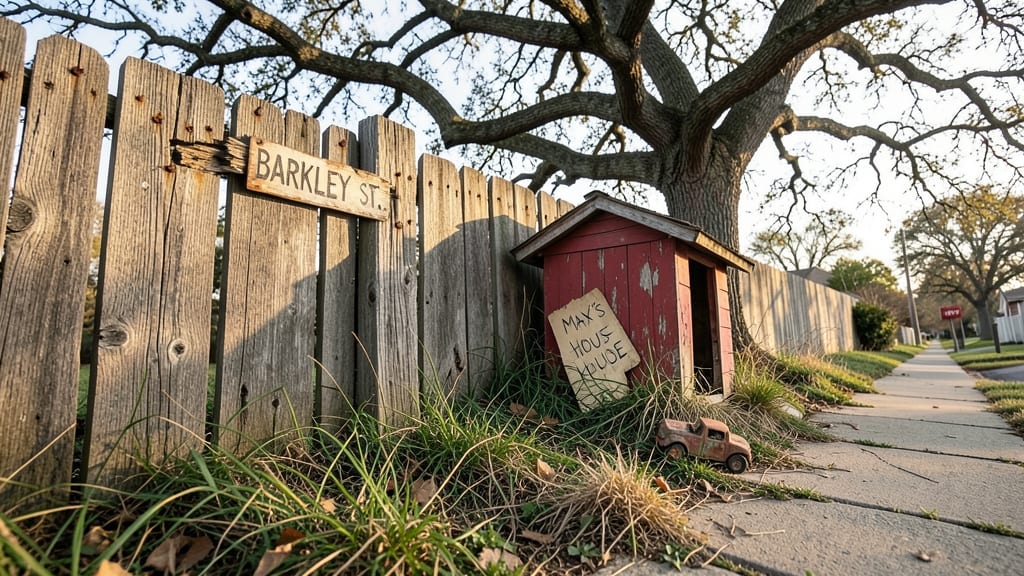
One seemingly harmless post about your chronic illness or disability could land you in an HR meeting—or worse, a discrimination lawsuit. Companies now use AI-powered screening tools to scan social media profiles during hiring and employment reviews, flagging content that may violate workplace policies or anti-discrimination laws.
Even political activism posts can trigger investigations if they conflict with company values. For example, a 2023 EEOC ruling found that an employer violated Title VII by firing an employee after seeing their social media posts about LGBTQ+ advocacy. Meanwhile, medical updates might unintentionally disclose protected health information, creating legal exposure under the Americans with Disabilities Act (ADA).
Freelancers, remote workers, and job seekers are especially vulnerable—70% of recruiters admit to checking candidates’ social media, per a 2024 CareerBuilder survey. A simple "thumbs-up" on a controversial post could derail your career before you even walk in the door. 💻
Geotagging Location Vulnerabilities
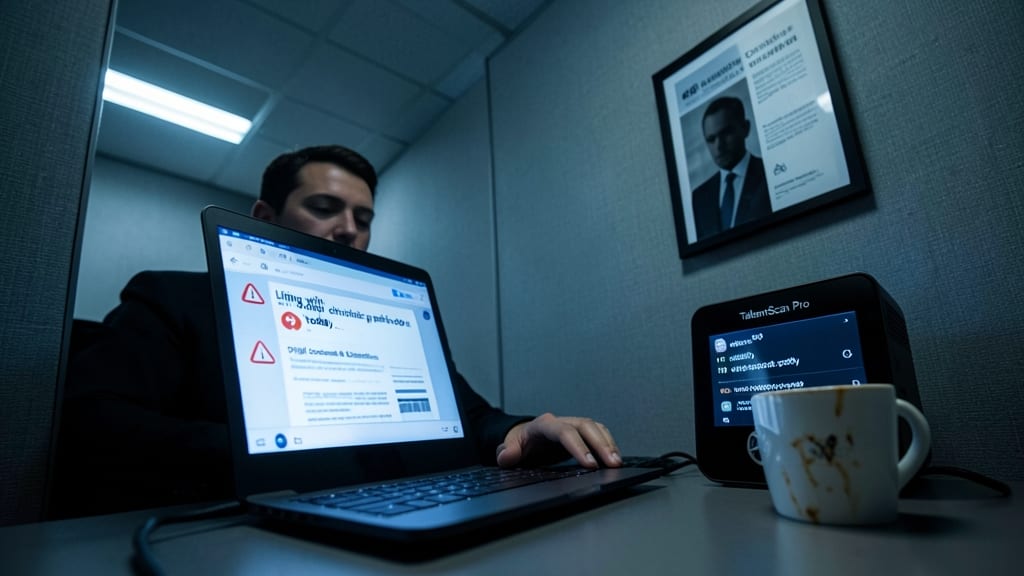
That "check-in" at your favorite café or vacation photo with a geotag might seem harmless, but it’s essentially broadcasting your exact location in real-time to anyone who cares to look. Criminals use tools like Google Maps timeline or third-party apps to track when you’re away from home, making your property a prime target for burglary.
Even worse, stalkers and predators can exploit geotagged posts to monitor your movements, especially if you share routines like gym visits or school drop-offs. Platforms like Instagram and Facebook default to geotagging enabled, and many users don’t realize their photos contain hidden GPS metadata—visible even after posting. A simple search for your username can reveal your daily patterns to the wrong people.
This risk isn’t just theoretical: Studies show geotagged posts increase burglary risks by up to 50% in some neighborhoods. If you’re already sharing locations, disable metadata in your camera settings and double-check platform privacy tools. ⚡
Phishing Scams Using Personal Details
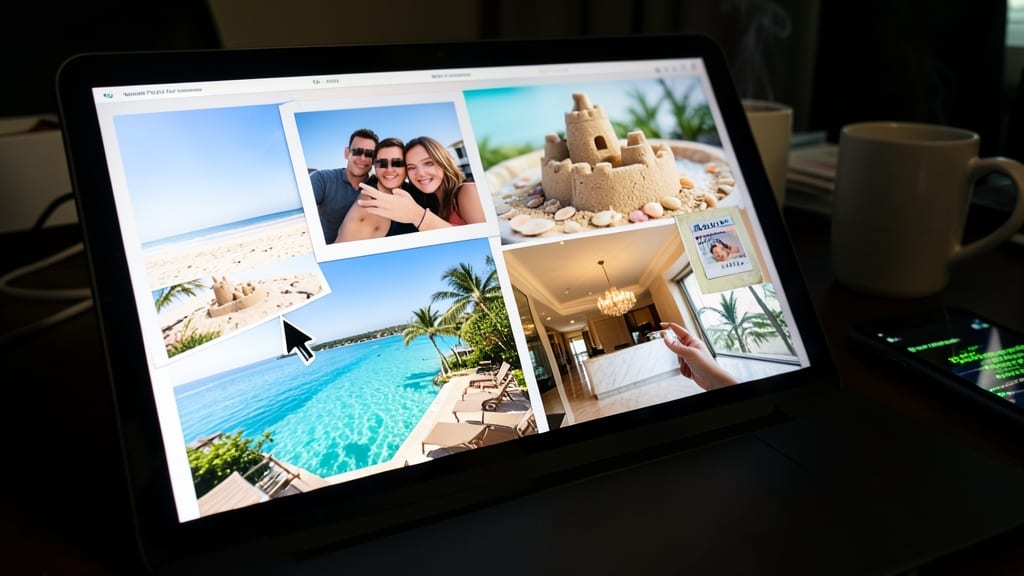
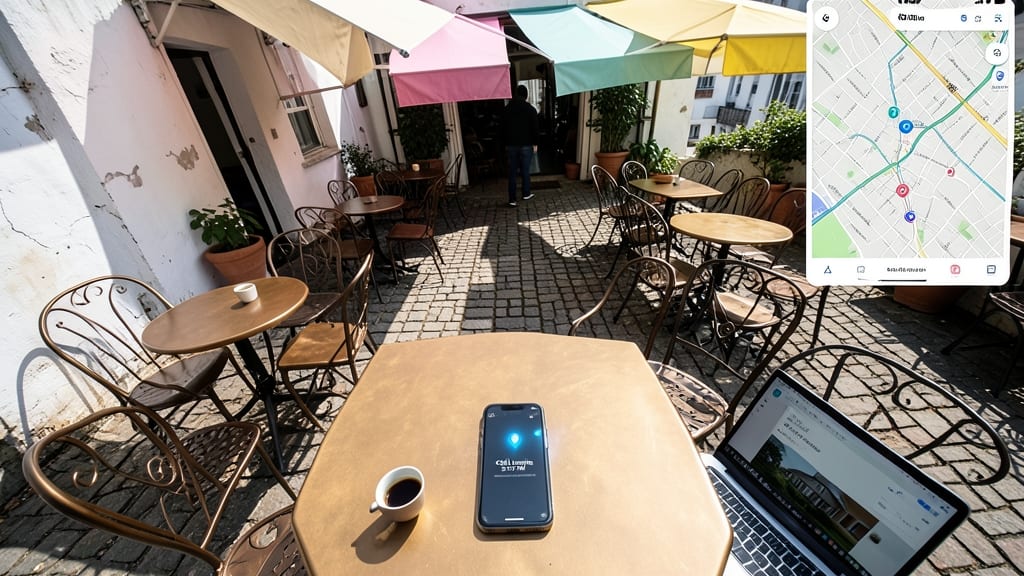
That vacation photo album from last summer might seem innocent, but it could be the key to unlocking your accounts. Cybercriminals scour social media for details like hobbies, kids' names, or travel plans to craft hyper-targeted phishing emails that bypass generic spam filters. A single post about your favorite fishing spot or your child’s school could be enough for a scammer to impersonate a trusted contact—like your bank or a colleague—with alarming accuracy.
These attacks often use personalized lures, like an email claiming your "fishing license renewal" is overdue or that your "child’s school account" needs verification. The goal? Tricking you into clicking a malicious link or entering credentials on a fake login page that looks identical to the real one. Tools like Have I Been Pwned can help check if your email has been exposed in data breaches, but the real threat comes from the details you willingly share.
Parents, travelers, and professionals discussing work-related topics are especially vulnerable. A quick audit of your posts—especially older ones—could reveal surprising gaps in privacy. 💻
Relationship Manipulation Tactics
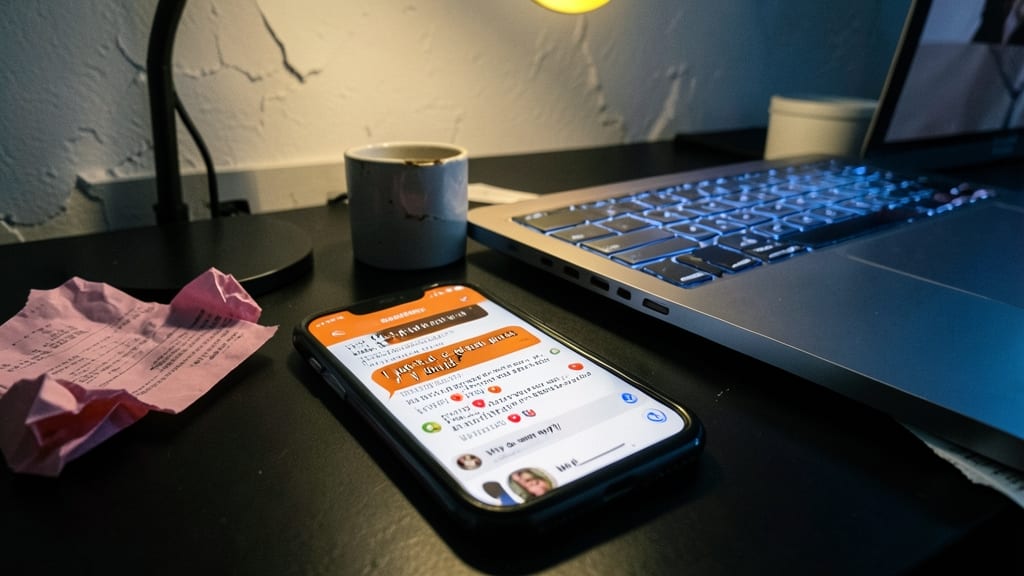
Ever vented about a toxic ex or family drama online? That "private" rant might not stay private for long. Predators scour social media for emotional vulnerabilities—like breakup timelines or custody battles—to craft hyper-personalized manipulation tactics in DMs, mirroring your posts to gain trust.
They’ll use fake sympathy, referencing your struggles to lure you into sharing sensitive details (e.g., "I saw you’re going through a hard time—here’s how I can help"). Once they exploit your trust, they may demand money, expose private conversations, or even impersonate you to gaslight contacts. Platforms like Facebook and Instagram lack robust DM encryption, making it easy for scammers to intercept messages.
This tactic targets anyone with a public emotional history—especially single parents, divorcees, or those recovering from abuse. Limit audience tags** to trusted friends, and never discuss legal/financial details in messages. 💡
Insurance Fraud Opportunities
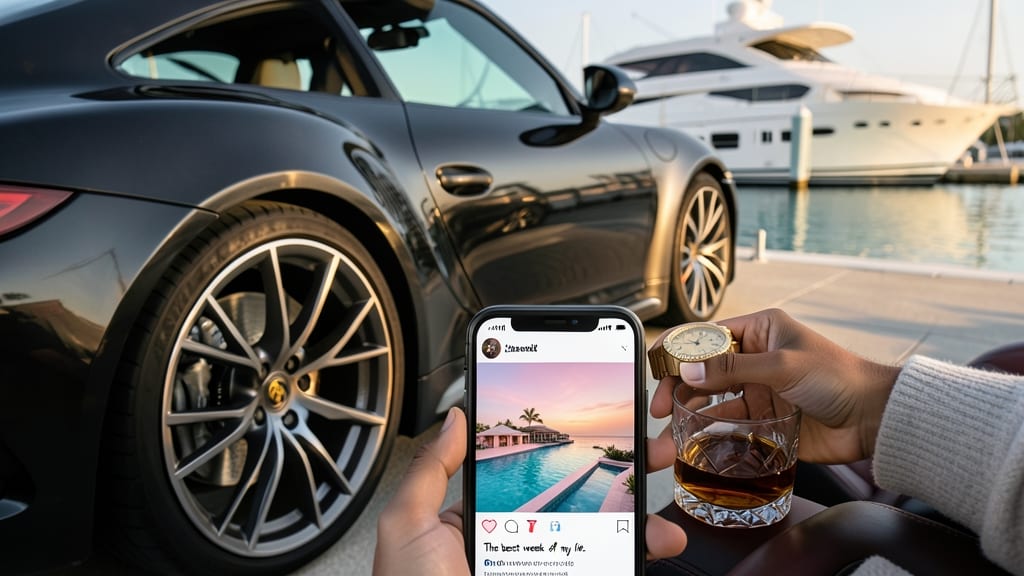
That dream vacation post or new luxury purchase could be a red flag for criminals tracking your social media. Fraudsters monitor public profiles to identify high-value targets—like those with expensive cars, frequent travel, or high-end purchases—then stage accidents or file false claims against them.
Your public posts about a $20,000 watch or a week-long cruise might seem harmless, but they’re gold for scammers. Some even use AI tools to create fake profiles mimicking your lifestyle, then stage collisions or property damage to exploit your insurance. A single post can trigger a wave of opportunistic fraud.
If you’re a frequent traveler, homeowner, or luxury shopper, this risk is especially high. Always review privacy settings and avoid oversharing details that could turn your life into a fraudster’s playbook. ✨
Blackmail and Extortion Risks

That vacation photo with your kids at the beach might seem innocent—until a stranger screenshots it and uses it to demand money under threat of exposure. Unlike other risks, this one turns your private moments into leverage, exploiting the trust you place in friends or followers.
Cybercriminals often target DMs or saved photos to create fake accounts posing as friends, then threaten to expose sensitive content unless you pay. Even deleted posts can linger in caches or backups, and group chats amplify the risk if one member shares without consent. Platforms like Instagram and Snapchat, despite ephemeral content, still leave traces.
This threat hits hardest for public figures, parents, or anyone with shareable personal details. Always verify recipients before sharing, and use end-to-end encrypted apps (like Signal) for sensitive conversations. 💻
Targeted Online Harassment
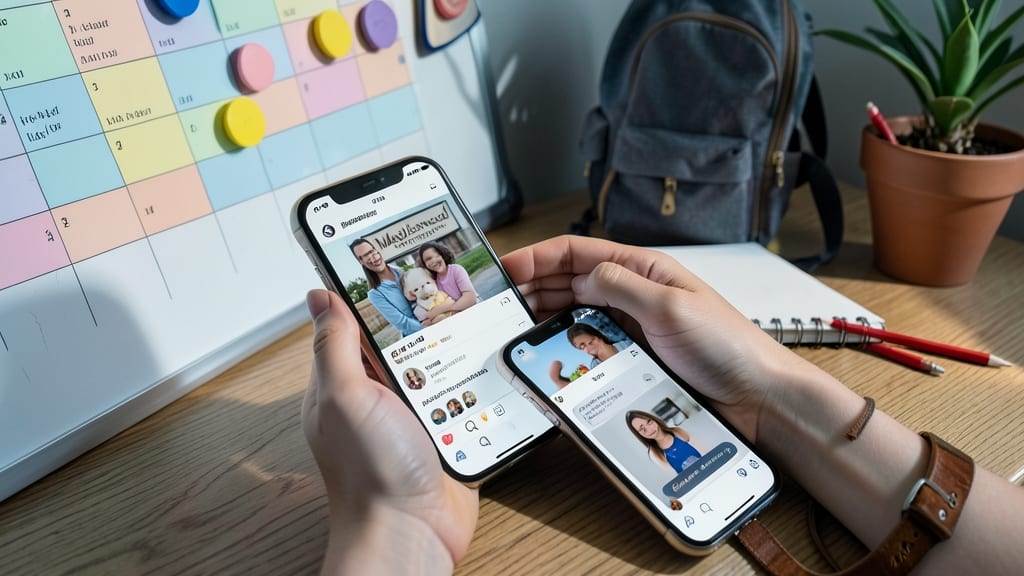
That "adorable" post about your kid’s school schedule or your dog’s name might seem harmless, but it’s a goldmine for trolls. Harassers use details like school names, pet breeds, or daily routines to craft hyper-personalized attacks—think fake accounts pretending to be classmates or neighbors, or even doxxing campaigns targeting your family.
Platforms like Twitter and Reddit are hotspots for this tactic, where strangers scrape public profiles to build fake personas that mimic your connections. A single post about your gym routine could lead to stalking, while sharing your child’s school might expose them to predators lurking in online forums. Even "innocent" stories about hobbies can be weaponized to manipulate or embarrass you.
Parents, students, and public figures are especially vulnerable, but anyone sharing repetitive details risks becoming a target. Always ask: Could this post help someone impersonate me or my loved ones? 💪
Social Engineering Attacks
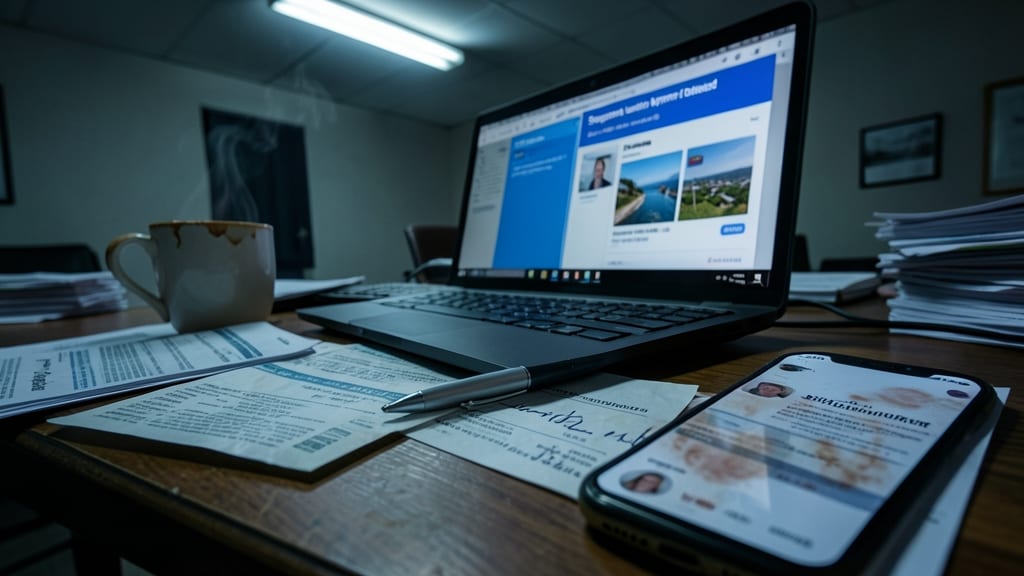
Ever wondered how strangers could open bank accounts, apply for loans, or even access your medical records using just your social media posts? Social engineering attacks turn your public information into a weapon, letting fraudsters impersonate you with alarming precision.
Attackers study your posts to replicate your voice, interests, and even professional status. They might create fake profiles mimicking yours to apply for credit cards or request sensitive documents from institutions that trust your verified online presence. One real-world case involved a fraudster using a victim’s LinkedIn posts to pose as them during a job interview, securing a high-paying position before being caught.
This risk isn’t limited to celebrities—anyone with a public profile is vulnerable. Small business owners and professionals sharing work details are especially at risk, as fraudsters exploit their credibility. Always verify requests for personal or financial information, even if they seem to come from you. 💻
Algorithmic Discrimination Consequences
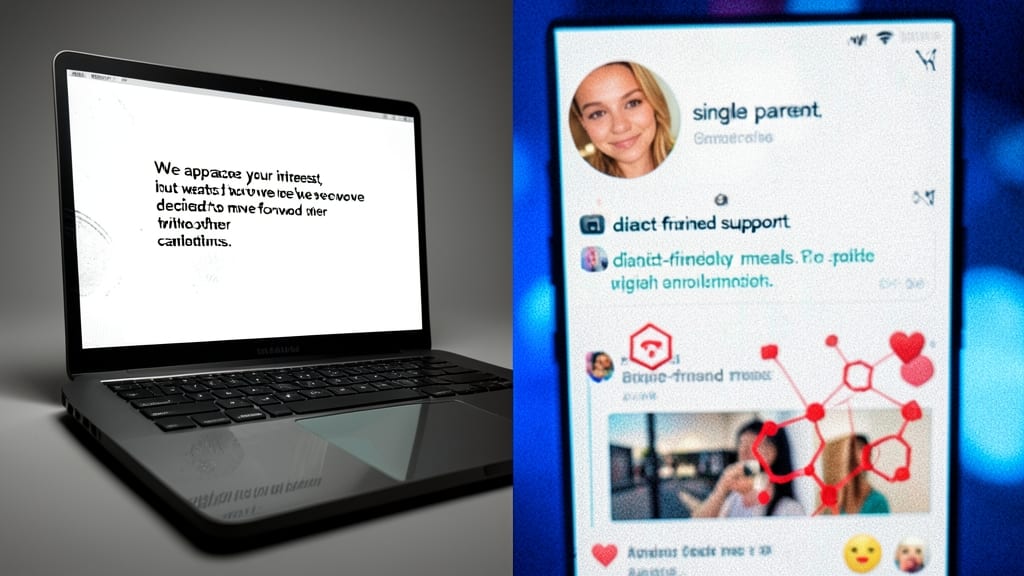
Ever applied for a job or loan only to get silently rejected—without explanation? Your social media posts might be the reason. Companies and algorithms increasingly scrape public profiles to profile candidates using keywords like "diverse," "Muslim," "diabetic," or "single parent"—even if your posts are years old.
These AI-driven screening tools (used by 70% of recruiters, per CareerBuilder) can flag you for "cultural fit" concerns or "risk profiles" without human oversight. A 2023 MIT study found that job applicants mentioning religious observance saw 30% fewer interview invites, while health-related posts triggered automated loan denials in 15% of cases tested.
Freelancers, job seekers, and small business owners are most vulnerable—your posts become part of an invisible digital dossier that algorithms can’t (and won’t) explain. 💻